




Manufacturer vs Supplier vs Wholesaler: Which One Should You Choose?
Choosing the right supplier is one of the most important decisions for any business, especially in B2B industries like apparel and manufacturing. Whether you’re brand or Retailer, your supplier directly impacts product quality, pricing, delivery timelines, and ultimately your reputation in the market. This decision becomes even more critical when you source globally rather than locally, as factors like communication, logistics, lead times, and trust come into play. While global sourcing—especially from manufacturing hubs like Pakistan—can offer better pricing and scalability understanding the difference between a manufacturer vs supplier is essential to choosing the right partner for your business growth.

What is a Manufacturer?
Let me tell you how it work
A manufacturer is a company that produces goods directly from raw materials or components. Instead of buying ready-made products, they handle the entire production process—from sourcing fabric or materials to cutting, stitching, finishing, and packaging. Manufacturers typically work on-demand and specialize in highly customized products, allowing brands to create items based on specific designs, branding, and requirements rather than offering only blank or standard goods.
Key Benefits of Manufacturers
High customization: You can create your own designs, sizes, colors, and branding.
Better pricing: They produce goods from bulk raw material, which Reduce Signficant Cost.
Quality control: You can set your own standards and specifications during production
When You Should Choose a Manufacturer
Building a clothing or product brand
Planning private label production
Working on medium to large-scale orders
Looking for long-term growth and consistency
What is a Wholesaler?
How a Wholesaler Works
A wholesaler is a business that purchases ready-made products in bulk from Global manufacturers and resells them to retailers or Small businesses. Instead of producing goods in house , Generally wholesalers source & offering pre-made items which are non branded & blanks specially in apparel and unable to customize as manufacturer does some time Just minor Customization only .In most cases, they import directly and manage sourcing from manufacturers in very large quantities and Work as middle man between producer of Goods vs
Selling of Goods to Consumers
Key Benefits of Wholesalers
Fast availability: Products are already in stock and ready to ship Also Fast delivery
Lower minimum order quantities (MOQ): Easier forWho want to start at small Scale
Simple buying process: No need to manage production or customization
No Big Hussle : Suitable for small Business , No need to import directly
Limitations of Wholesalers
No customization: Products are sold as standard or blank items
Higher cost per unit: Compared to direct manufacturers
Limited control: No influence over design, materials, or branding
When You Should Choose a Wholesaler
Starting a small retail business
Testing products before large investment
Needing quick stock with fast delivery
Not requiring custom designs or branding
What is supplier?
How Supplier Works
A supplier is a broad term for any business that provides goods to buyers, which can include manufacturers, wholesalers, or trading companies. In simple terms, a supplier is the source that delivers products to your business—either directly from production or through existing stock. It’s basically the bridge that connects your business to the product you need, in the most convenient way
Key Benefits of Suppliers
Flexible sourcing options: Can provide manufactured, wholesale, or mixed products
Easier access: Helps buyers connect with different production sources
One-stop solution: Can manage sourcing, coordination, and supply flow
Saves time: Reduces effort by handling multiple sourcing channels in one place
Manufacturer vs Supplier
Most people get confused between a manufacturer and a supplier because both are involved in providing products, but their roles are actually quite different in the sourcing process.
A manufacturer is the company that produces goods from raw materials and handles the full production process, while a supplier is a broader term that can include manufacturers, wholesalers, or trading companies who simply provide or deliver products to buyers. Understanding this difference is important because it directly affects your cost, customization options, and control over product quality.
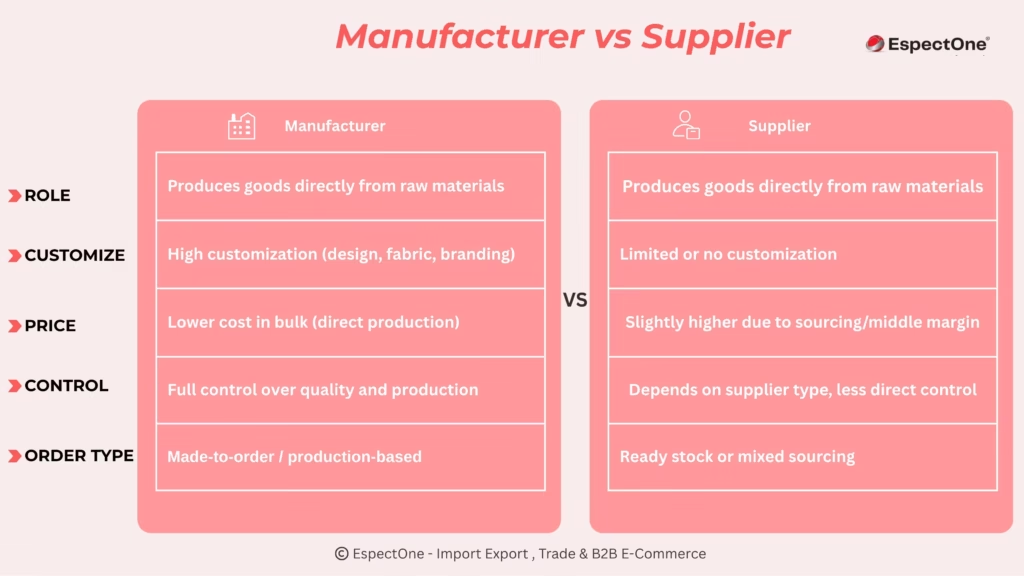
The main difference between a manufacturer and a supplier comes down to control, customization, and sourcing structure. A manufacturer is directly involved in producing the product, which means you get full control over materials, design, sizing, and overall quality. This makes manufacturers the ideal choice for brands that want to build a unique identity and scale with consistent production.
A supplier, on the other hand, is a broad term. It can refer to a manufacturer, wholesaler, distributor, or trader—basically anyone who supplies products to your business. Because of this, not all suppliers are the same. Some may produce the goods themselves, while others simply source and resell from different manufacturers.
This is where confusion happens. When you deal with a supplier, you might not always be working directly with the actual producer. That can affect pricing, customization, and transparency. Suppliers often make sourcing easier and faster, but usually with less control and added cost margins.

Leave a Reply